Interoperability connected healthcare. But, in most healthcare organizations, it failed to meet the desired outcome: data is connected but not coordinated, which leaves it fragmented and, in many cases, unusable.
MultiCare Health System, a 13-hospital system serving Washington state, found a better solution. They once ran approximately 50 disparate data sources. By consolidating them into an enterprise data warehouse and adding an end-to-end orchestration layer, MultiCare improved care quality across several metrics and decreased its payer denials.
What Is Healthcare Data Orchestration?
Healthcare data orchestration is the coordination of data across its full lifecycle, from connection to continuity, so the right data reaches the right place at the right time.
Connection is the technical work of bringing data together. Orchestration is what makes it useful. A large healthcare organization can have dozens of silos holding enormous volumes of data and still not be able to act on any of it.
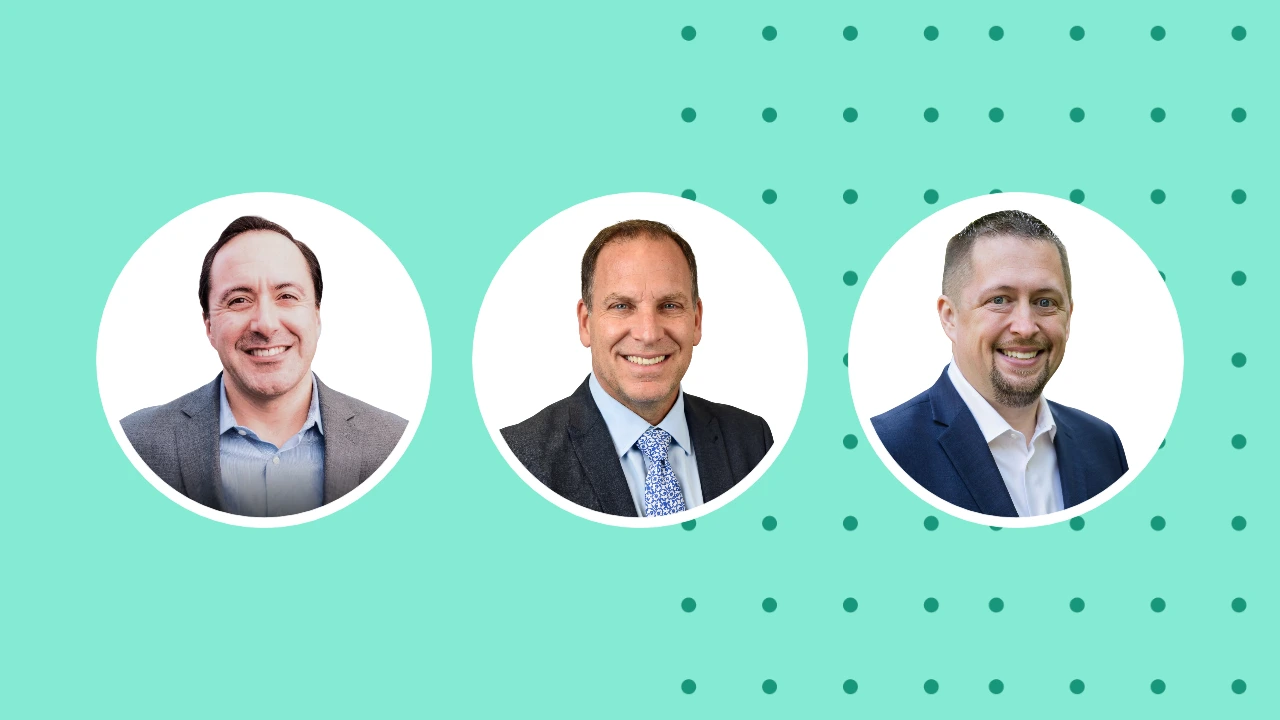
"The issue is that providers get so much data they are unable to make sense of it," said Gurpreet Singh, SVP, Interoperability Strategy & Solutions at ELLKAY. "The data is duplicative, not normalized, and inconsistent."
Many organizations have tried to solve this by building a centralized data repository such as an enterprise data warehouse. Centralizing is necessary. It doesn't solve the whole problem.
"Connection is the technical aspect of bringing data together," Singh said. "Coordination and orchestration is making the data useful."
What Does Uncoordinated Data Cost a Healthcare Organization?
"The unmanaged gap between IT systems and data silos is the biggest hidden cost in health IT," Singh said.
According to Nick Shepard, AVP, Data Orchestration at MultiCare, those costs take several forms:
- Compromised safety, when clinicians make decisions without a complete patient record
- Clinician time lost sifting through data
- Duplicated services
- Payer denials that mount when required billing data is missing
"Whether it's an extra prescription or an additional MRI, you have costs from duplication that can occur when data is not coordinated," Shepard said.
Costs also mount during transitions of care, when a patient arrives at the hospital without records from their physician, or when a discharged patient's community physician cannot access information from the hospitalization.
How Did MultiCare Consolidate 50 Data Sources?
MultiCare is a health system with 13 hospitals and more than 300 primary, urgent, pediatric and specialty care locations across Washington. It once had approximately 50 disparate data sources.
To help providers make better, faster decisions based on the complete patient picture and history, MultiCare needed to exchange data among those silos and aggregate it into an enterprise data warehouse.
"The data in those formerly siloed locations is now consolidated," Shepard said.
But leaders recognized that connecting the data was not enough on its own. They needed analytical power to make it useful to clinicians in real time.
"People need that information at their fingertips," Shepard said. "By enabling an end-to-end orchestration layer, we bring the power of those disparate data sources into the centralized data repository and convert it into usable data at the point of care."
Investing in data readiness and orchestration improved MultiCare's care quality across several metrics. It also produced financial value by decreasing the organization's payer denials, and it helped leaders make more informed decisions.
"MultiCare has strategically made data part of its infrastructure, which is now a foundational layer across the organization," Singh noted.
Why Do AI Initiatives Stall Without an AI-Ready Data Foundation?
Healthcare organizations are consistently focused on driving AI initiatives, and those initiatives often are not producing the results leaders expected. AI is only as good as the data it uses, and many healthcare organizations lack a robust data foundation underneath it.
Connectivity plus orchestration are what create an AI-ready data foundation. Getting there takes the right talent, expertise, focus, and mindset. As Shepard acknowledged, most health systems have far too much going on to become experts in data orchestration on their own.
Duplicate and mismatched records are one of the most common reasons AI and analytics initiatives stall after they are funded, which is why identity resolution comes first. ELLKAY's patient matching solution has resolved 1.2B patient records into 470M unique persons, with accurate linking across all relevant records for 99.99% of patients in CommonWell.
"For MultiCare, from a data orchestration perspective, ELLKAY has been essential," Mr. Shepard said. "They haven't been a vendor; we are working together in a real partnership."
This article is adapted from "From 50 silos to one foundation: How MultiCare unlocks value from data," originally published by Becker's Healthcare.
"The issue is that providers get so much data they are unable to make sense of it," said Gurpreet Singh, SVP, Interoperability Strategy & Solutions at ELLKAY. "The data is duplicative, not normalized, and inconsistent."