We use third-party cookies in order to personalize your experience.
Read our Privacy Policy.


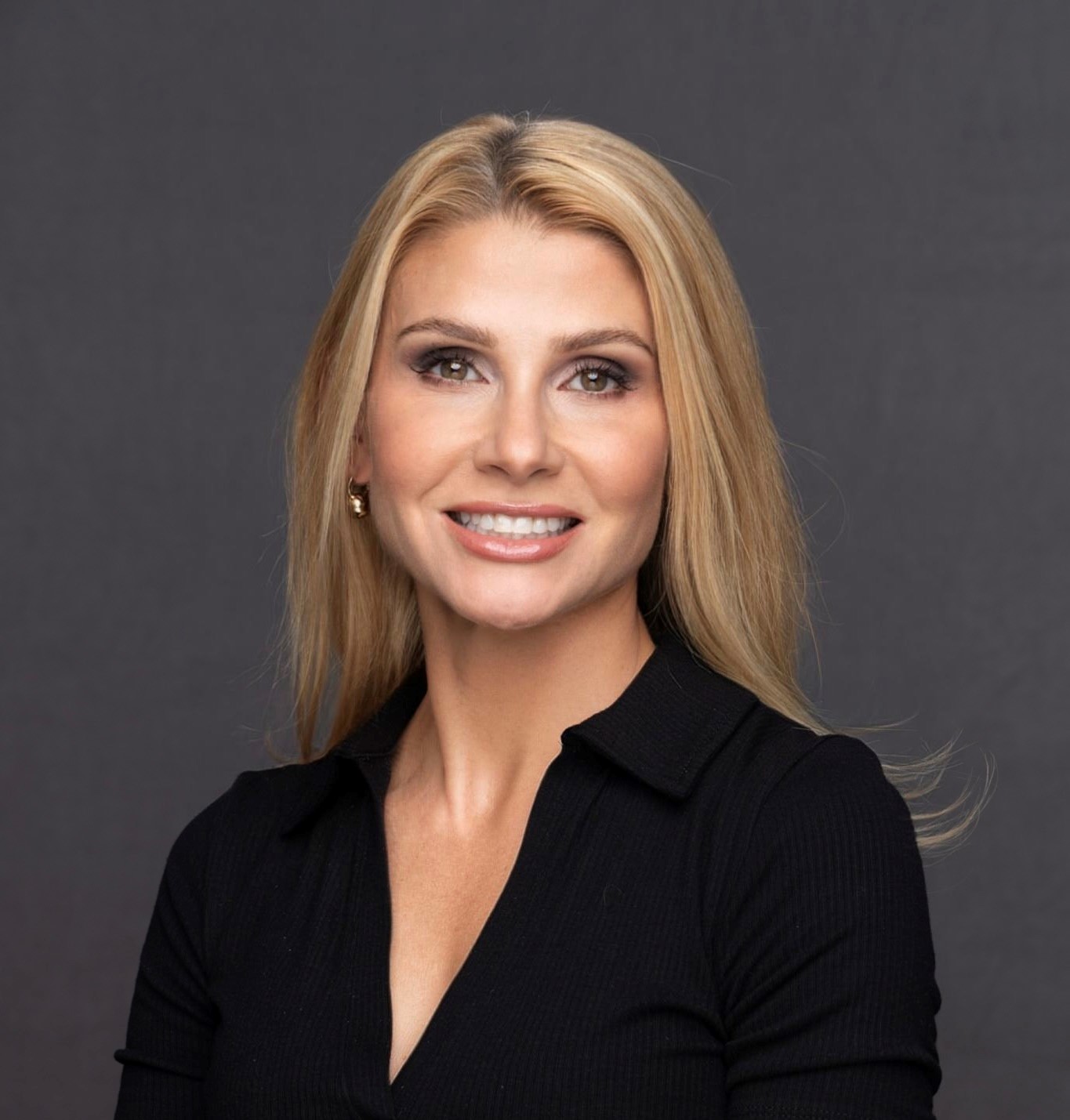
To me, innovation in health IT is all about simplicity. It’s about removing friction from healthcare delivery. At its best, it streamlines workflows and improves access to timely and reliable information while supporting better decision-making.
Sometimes innovation can mean a new tool, but more often it’s rethinking a process or designing systems that are intuitive and already fit into clinical and operational workflows. What excites me most is when innovation leads to real impact, such as better patient experiences, reduced burden on nurses and physicians, and safer, more consistent outcomes. Whether it’s deploying AI, utilizing analytics, or setting up automation, the goal remains the same: improve quality, reduce variation, and enable care teams to perform at their best.
During college, I knew healthcare was the right industry for me, so I pursued a degree in Healthcare Management and Policy. I was drawn to helping people, while also recognizing that my strengths were in organization and management.
After I graduated, I began searching for jobs in the newspaper and saw an entry-level IT position at a hospital. This role ultimately jump-started my career in the field.
As my career developed, I found that healthcare IT was a natural fit. It allowed me to combine my interest in problem-solving and process improvement through implementing technology and workflows to improve patient care. I was also drawn to the unique role IT plays across an organization. Very few teams can work so closely with clinical, operational, and administrative leaders, and that perspective creates real opportunities to connect strategy with day-to-day execution.
When I started at Emerson Health, my role was Director of Ambulatory Medical Records, at a time when we were transitioning physicians from paper to electronic records. Over the years, I’ve been a part of multiple transformative projects, including migrating to Epic Ambulatory, which has given me a unique perspective on how far the industry has come.
Over time, my journey has expanded beyond my own organization. I’ve come to value learning from peers, engaging in industry conversations, and contributing to broader discussions around policy, governance, and responsible innovation.
One of the most significant trends impacting health IT is the financial reality many healthcare organizations are navigating today. Shrinking margins driven by rising labor costs, workforce shortages, and ongoing supply‑chain pressures are forcing leaders to make difficult and deliberate decisions about where and how to invest.
For community hospitals like ours, particularly as one of the few remaining independent community hospitals in our state, these pressures are even more pronounced. While we may not have the scale of larger systems, we’re still expected to deliver the same level of access, quality, security, and innovation, but with far fewer resources.
As a result, we must be highly intentional about our technology strategy—where we invest, where we add expense, the value those investments deliver, and how we prioritize limited resources. These trends are pushing us to be more disciplined and more outcome‑focused than ever before.
I try to stay close to a mix of sources: industry groups, peer networks, vendor and partner conversations, as well as working with CHIME to understand what’s coming out at the policy and regulatory level. The most useful insights usually come from sharing experiences and seeing what’s actually working in practice.
One way I help my teams adapt to emerging trends is by making learning part of our regular workflow. We can’t rely solely on formal training programs. We take advantage of education readily available through our vendor partnerships and use informal forums such as lunch-and-learns to build awareness and understanding around new technologies like cybersecurity, interoperability, and AI. These sessions help teams stay up to date without significant cost all while encouraging conversations about how these trends translate into use cases at Emerson.
One of the most pressing challenges facing the healthcare IT industry is closing the gap between technology’s potential and its real-world adoption. Healthcare environments are inherently complex; workflows vary widely, and care teams are already stretched thin. While there is increasing emphasis on interoperability and its usability, simply sharing data is not enough. Technology must fit naturally into the way clinicians and staff actually work to deliver meaningful value.
When we talk about interoperability, it extends far beyond the EHR. Healthcare depends on a broad infrastructure of systems, including imaging, procedural platforms, revenue cycle, credentialing, finance, and HR. The real challenge is ensuring that the right information is available to the right people at the right time to support care, operations, and decision-making.
Cybersecurity remains a foundational challenge. As more tools, platforms, and data exchanges are introduced, the risk surface continues to grow. Protecting patient data and critical systems requires ongoing investment, strong governance, and disciplined risk management.
Finally, AI represents both tremendous opportunity and risk. While AI has the potential to improve many aspects of healthcare, it requires careful and thoughtful investment. Organizations must be deliberate, focusing on well-defined use cases and aligning solutions to clinical and operational priorities. Moving too quickly without appropriate guardrails and governance will only add expense, introduce new risks, and fail to create measurable value.
For me, it starts with building a culture where people feel they have a voice. One advantage of leading a smaller team is that I know everyone. I’m able to create a space where different perspectives are heard and factored into our decision-making.
I’m also thoughtful about how we hire and develop talent. We look for diverse strengths and backgrounds, and we ensure there are growth opportunities within our team. Because we are a community health system with limited resources, we often focus on developing our talent from within or bringing in individuals early in their careers. We maintain internship partnerships with local community colleges, which allows us to invest in people with strong potential. It has been amazing to see the many positive outcomes from this approach.
Leadership isn’t just a title—it’s how you show up every day. Early in my career, someone told me to “dress for the position you want, not the one you have,” and that advice stayed with me in a broader sense. It became a mindset. Step up, volunteer, and take on more responsibility. That’s how growth really happens and opportunity follows.
It’s also important to be willing to step outside your comfort zone. You don’t have to be perfect to move forward, and often waiting until you feel “ready” can hold you back. Don’t let timing, self-doubt, or the pursuit of perfection stop you from going after opportunities. Leadership is built by leaning in and trusting yourself to rise to the challenge.
For me, balance isn’t a fixed formula, it evolves depending on where you are in your career and life. There are periods of time when work demands more time and energy, and others where personal priorities take the lead. You can’t give 110% to everything all the time. Recognizing that balance looks different at different moments has been important; it has given me permission to adjust without feeling guilty in either direction.
Practically, I try to be intentional about setting boundaries and making time to recharge. It’s important to step away from the pressures of work and be fully present in whatever helps you reset. Whether it’s family time, working out, or social time with friends, the goal is to be fully present in that space so that I can have that recharge opportunity that will allow me to be a better leader. Building routines that support that balance and protecting that time are essential for maintaining perspective and preventing burnout.
Reading and listening to podcasts are some of the ways I support my own work‑life balance. It is a great mental reset. From a professional perspective, I really enjoyed Grit by Angela Duckworth. It reinforces the value of perseverance, long-term goals, resilience, and other leadership traits that feel especially relevant in healthcare leadership.
Outside of work, I love to read historical fiction. Kate Quinn is my favorite author; her books The Rose Code and The Alice Network are must-reads.
For podcasts, I’m a fan of The Rest Is History. I also regularly listen to The Wall Street Journal’s The Journal, which provides a backdrop into current events.


.webp)

